
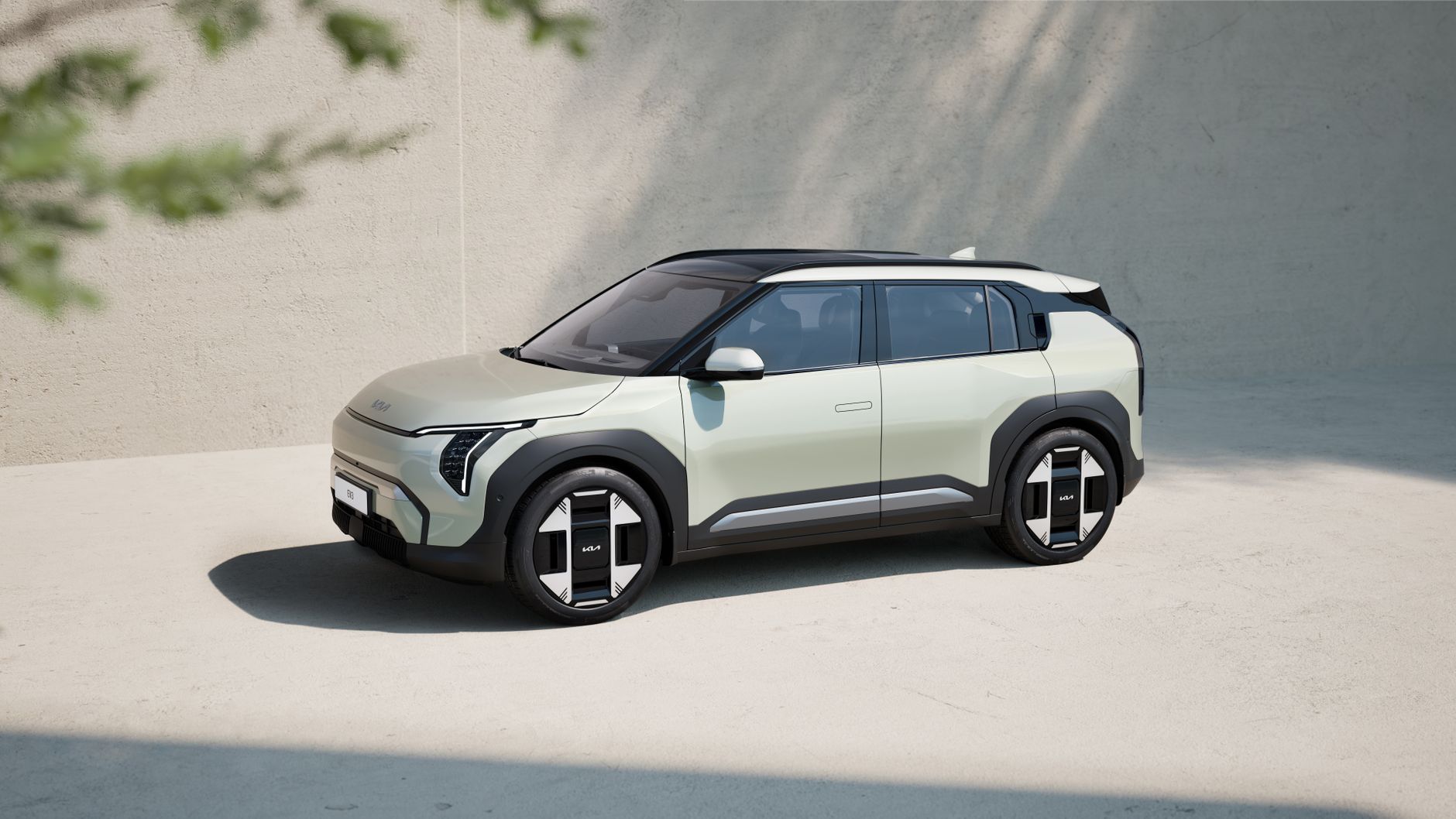
The Chinese electric SUV has established itself in a few years as a credible alternative to European and American references in the segment. BYD, MG, XPeng, Zeekr and Geely now offer models covering every budget, from the compact urban SUV to the large family format, with technical specifications that no longer have anything to envy from established competitors. This guide covers the models available in France, their prices, their real-world range and the criteria that really matter before placing an order.
The Chinese electric SUV market in France in 2026
The range of Chinese electric SUVs has grown considerably since the first models were approved for the European market. BYD paved the way with the Atto 3 and the Tang, quickly followed by MG with its ZS EV, then by XPeng with a more technology-focused line-up built around the G6 and G9.
2026 marks a further acceleration with the arrival of Geely and its premium brand Zeekr, both part of the same Chinese industrial group that also owns Volvo. The Geely E5 and the Zeekr X and 7X are further densifying a market already occupied by established manufacturers, with a clear technology-driven positioning: 800-volt architecture, generous central screens and driver assistance as standard on most versions.
This upmarket shift comes alongside a distribution network that is still taking shape. Several established regional car groups, including Como in the Paris region, have chosen to represent these new brands alongside their historic business, which makes the product easier to approach and after-sales support more reliable for a buyer still unfamiliar with these manufacturers.
This momentum is also driven by a gradual image shift. Chinese manufacturers now offer complete ranges covering every market segment, generally with a higher level of standard equipment than European competitors at the same price point: large central screen, wireless charging, ventilated seats or a panoramic roof are frequently included as standard, where they often remain optional with mainstream brands.
The best Chinese electric SUVs available in France
Choosing a Chinese electric SUV depends above all on the target segment and available budget. Here is an overview of the most relevant models currently sold in France.
| Model | Segment | WLTP range | Starting price |
|---|---|---|---|
| MG ZS EV | Compact SUV | up to 440 km | €27,990 |
| BYD Atto 3 | Compact SUV | up to 420 km | €38,000 |
| Geely E5 | Compact SUV | 475 km | €37,990 |
| Zeekr X | Urban SUV | up to 415 km | €37,990 |
| XPeng G6 | Coupe SUV | up to 570 km | €44,000 |
| Zeekr 7X | Family SUV | up to 615 km | €52,990 |
| XPeng G9 | Family SUV | up to 702 km | €56,000 |
| BYD Tang | 7-seat SUV | up to 530 km | €72,000 |
The Geely E5 illustrates well the aggressive positioning of these new entrants: 475 km of approved range and a fast charge from 30 to 80 percent in just 20 minutes, for a starting price below €38,000. The Como network is among the authorized dealers for this model, and the full specification sheet and commercial terms can be checked directly with Como.
For a more family-oriented use, the Zeekr 7X stands out with its 800-volt architecture, which allows a 10 to 80 percent charge in just 13 minutes, a time close to that of filling a conventional fuel tank. This level of technical performance is very competitive at this price.
The MG ZS EV holds a distinct place in this comparison: it is today one of the cheapest electric SUVs on the French market regardless of origin, with an already well-established distribution network after several years of commercial presence.
The XPeng G9, for its part, targets a more tech-savvy audience with a cabin dominated by screens and a particularly advanced driver assistance system for this price range. With 702 km WLTP, the XPeng G9 offers one of the best ranges in this comparison.
Range and charging of Chinese electric SUVs
The real-world range of a Chinese electric SUV varies considerably depending on the segment and battery capacity chosen. Compact urban models like the Zeekr X or the MG ZS EV generally top out around 400 to 440 km WLTP, enough for daily suburban use, while large family SUVs like the XPeng G9 exceed 700 km thanks to higher-capacity batteries.
Battery chemistry plays a central role in this positioning. Most Chinese manufacturers have widely adopted LFP (lithium iron phosphate) technology, with BYD’s Blade battery being the best-known example: less energy-dense than conventional NMC batteries, but more thermally stable and cheaper to produce, which partly explains the price gap observed compared with European references.
Charging speed is the other technical argument put forward by these brands. The 800-volt architecture, now found on the Zeekr 7X as well as the XPeng G6, makes it possible to recover most of the range in under 15 minutes at a compatible ultra-fast charging station, a level of performance that puts these models on par with the best references on the market, Chinese or not. The budget to anticipate for this charging varies significantly depending on the method used, as detailed in our guide on the price of charging an electric car.
In daily use, this range translates differently depending on the season and type of trip. A Chinese electric SUV rated at 450 km WLTP will more realistically show between 350 and 380 km on the motorway in winter, compared with a figure close to the rated value in mild urban use. This gap, common across the entire electric market and not specific to Chinese manufacturers, should be factored in before sizing a real annual mileage need.
Day-to-day charging comfort ultimately depends largely on the solution installed at home or at work. AC charging on a wallbox remains largely dominant in real-world use, with DC fast charging reserved for longer trips despite increasingly short charging times on the most recent versions.
Prices and financing for a Chinese electric SUV
Pricing remains the main selling point for Chinese brands. A compact Chinese electric SUV like the MG ZS EV starts under €28,000, a price point hard to find from a mainstream European manufacturer on a comparable segment. At the other end of the range, the BYD Tang crosses €70,000 while still undercutting its premium German competitors at equivalent specification.
Long-term leasing has become the preferred way to acquire a vehicle in this segment, mainly because it smooths out the purchase cost and makes it possible to plan a budget without having to anticipate resale value. Monthly payments observed on family-sized models like the Zeekr 7X generally range between €500 and €700 per month depending on the down payment and mileage selected.
One point of caution is worth highlighting before planning a budget: the near-systematic exclusion from the French ecological bonus. The environmental score required by the scheme factors in the carbon footprint of manufacturing and sea freight, which disqualifies most vehicles made in China regardless of their technical merits.
This lack of a bonus mechanically weighs on the cash-purchase budget, but it is partly offset by leasing rates that are often more competitive than those on equivalent European models, as Chinese manufacturers actively seek to gain market share with both businesses and private buyers. It remains advisable to compare several financing offers before committing, as monthly payment differences between dealers on the same model and configuration can exceed 10 percent.
Reliability, warranties and safety of Chinese electric SUVs
Passive and active safety is a strong point of recent models. Most Chinese electric SUVs sold in Europe, from the BYD Atto 3 to the XPeng G9, achieve the maximum five-star rating in Euro NCAP crash tests, with driver assistance features comparable to those of European references at the same budget.
Warranties are the other strong argument put forward by these manufacturers. BYD typically offers six years on the vehicle and eight years on the battery, a level of coverage that few mainstream European brands match at this price point.
These brands, recently arrived on the European market, rely on extended warranties. The depth of the after-sales network and the availability of spare parts should also be checked locally before purchase, as this criterion varies significantly from one dealer to another depending on their experience with the brand.
Battery lifespan remains the main long-term concern for a cautious buyer. Eight-year warranties generally cover capacity degradation beyond a certain threshold, often set around 70 percent, a level comparable to commitments made by European manufacturers on their own electric models. A battery health diagnostic, offered during periodic servicing at most dealers, makes it possible to track this degradation over time and catch any abnormal decline before it affects day-to-day range.
Chinese electric SUV or European: how to choose
Compared with a Chinese electric SUV, the European alternative generally relies on an older after-sales network, often at a higher price for equivalent specification. Chinese models are recent and their resale value is being built progressively.
The line between the two worlds is also blurring. The group that owns Geely and Zeekr also owns Volvo, a historically Swedish brand that became Chinese-owned after its 2010 acquisition, which illustrates the growing overlap between Asian and established European manufacturers. In this context, the deciding factor becomes less the geographic origin of the brand than the strength of the local distribution network and the real availability of the targeted model at a dealership.
To make a decision, three questions are worth asking before purchase: does the available budget allow for a lease with a manageable monthly payment, does daily use correspond more to a compact urban format or a large family SUV, and does the local dealer offer an established after-sales track record with the brand in question. This last point often weighs more heavily than the spec sheet in the final decision, particularly for brands recently arrived on the French market like Zeekr or Geely.
Frequently asked questions
What is the best Chinese electric SUV in 2026?
There is no single answer: the XPeng G9 leads on range with 702 km WLTP, the MG ZS EV remains the most affordable from €27,990, and the Zeekr 7X combines a family-sized cabin with ultra-fast 13-minute charging. The best choice mainly depends on budget and intended use.
What are the prices of Chinese electric SUVs in France?
Prices range from around €27,990 for a compact SUV like the MG ZS EV to more than €70,000 for a large premium SUV like the BYD Tang. Most family-sized models sit between €38,000 and €53,000, excluding the ecological bonus, which generally does not apply to this country of manufacture.
What range can you expect from a Chinese electric SUV?
WLTP range varies widely by segment, from 330 km for a compact urban SUV to more than 700 km for large-battery versions like the XPeng G9. Family-sized models typically average between 450 and 620 km.
Are Chinese electric SUVs eligible for the French ecological bonus?
No, in the vast majority of cases. The French environmental score, which factors in the carbon footprint of manufacturing and sea freight, effectively excludes vehicles made in China. Only models from a joint venture with a European group or relocated to European production can remain eligible.
Which Chinese electric SUV brands are available in France?
BYD, MG, XPeng, Nio and Leapmotor are the most established, joined in 2026 by Geely with the E5 and Zeekr with the X and 7X, both brands belonging to the same industrial group and partly relying on the same regional distribution networks, including Como in the Paris region.